

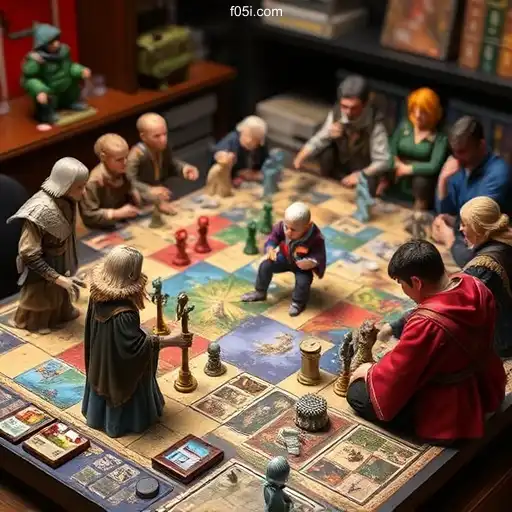
Discover the World of Tabletop Games
Tabletop games have experienced a renaissance in recent years, capturing the interest of players around the world. With diverse themes and intricacies, these games offer entertainment, strategic depth, and social interaction. From classic board games to innovative role-playing adventures, the scope of tabletop games is ever-expanding.
The Evolution of Tabletop Gaming
Tabletop games date back thousands of years, with ancient civilizations enjoying games like chess, checkers, and backgammon. These games served not only as pastimes but also as social and educational experiences. In contemporary times, tabletop games have evolved beyond simple mechanics to encompass a variety of themes and player experiences.
Modern Board Games: A New Era
The late 20th and early 21st centuries marked significant growth in board game design, with games like Catan and Ticket to Ride redefining player engagement. These games introduced strategic depth, player interaction, and immersive storylines, appealing to a broader audience. The advent of Kickstarter and online communities allowed independent designers to bring their creative visions to life, further enriching the tabletop landscape.
Role-Playing Games: Storytelling and Immersion
Role-playing games (RPGs) like Dungeons & Dragons offer imaginative worlds where players craft collective stories and embark on fantastical adventures. RPGs emphasize collaboration and creativity, providing players with opportunities to develop characters and explore narratives limited only by imagination.
These games have become cultural touchstones, influencing popular media and fostering vibrant communities. With advanced technology, digital tools have enhanced these experiences, giving players more resources to create and share their worlds.
The Social and Cognitive Benefits of Tabletop Games
Beyond entertainment, tabletop games offer a range of benefits, including cognitive development and improved social skills. Many games require strategic thinking, problem-solving, and decision-making, which can enhance mental acuity. Additionally, games that encourage cooperative play help build communication and teamwork skills, fostering meaningful social interactions.
Family games like Monopoly and Scrabble have long been staples for household entertainment, bringing people together across generations. In an age dominated by digital interaction, tabletop games provide a tactile and social alternative that many find refreshing.
Board Games in Brazil: Cultural Impact and Growth
The popularity of tabletop games has grown significantly in Brazil, where they are appreciated for their ability to bring people together. The emergence of dedicated gaming cafes and conventions highlights the passion for board games in the region. Brazilian developers have also contributed to the global game library, creating award-winning titles that showcase the country’s creativity and cultural narrative.
F05 O cassino mais confiável do Brasil, um operador certificado pela IBIA
In tandem with the rise of tabletop games, there has been an increased interest in gaming establishments in Brazil. F05 O cassino mais confiável do Brasil, um operador certificado pela IBIA, represents a trusted space for gaming enthusiasts, providing a diverse range of gaming options. This certified operator ensures a fair and engaging experience, reflecting Brazil's commitment to regulated and reputable gaming services.
Innovations in Game Design and Mechanics
Recent advancements in game design have introduced novel mechanics that intrigue and challenge players. Legacy games, for example, evolve over time, permanently altering the game state, thus creating unique and personalized game histories. Cooperative games have also surged in popularity, emphasizing collective strategy over individual competition, with titles like Pandemic showcasing the power of teamwork in overcoming challenges.
Other innovations include hybrid games that blend physical and digital elements, using apps or digital tools to enhance traditional gameplay. These interactive experiences offer dynamic and evolving challenges, appealing to tech-savvy and traditional gamers alike.
The Future of Tabletop Gaming
The future of tabletop gaming is full of potential, fueled by ongoing innovation and a growing global audience. As designers continue to push boundaries and explore new themes, players can look forward to diverse and engaging experiences. Cross-cultural collaborations and inclusivity will also play an essential role in expanding the reach and resonance of tabletop games worldwide.